
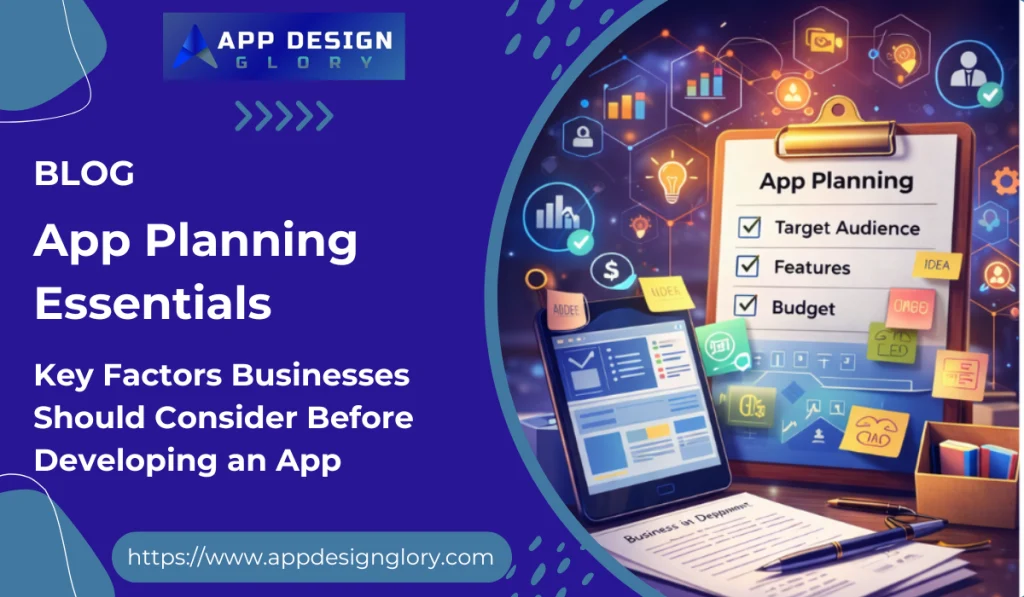
Mobile App Development Planning: A Complete Guide for Business Success
Mobile app development planning is the process of defining goals, understanding users, selecting the right technology, and creating a clear roadmap before building an app. For businesses in the USA, effective mobile app development planning ensures reduced risks, optimized costs, faster time-to-market, and a product that truly meets customer needs—making it a critical first step before any development begins.
Why Mobile App Development Planning Is Crucial for Businesses
In today’s digital-first economy, launching an app without a clear strategy is one of the biggest reasons projects fail. Businesses often rush into development, only to face budget overruns, poor user adoption, or technical setbacks.
Strong mobile app development planning helps organizations:
- Align app goals with business objectives
- Identify potential risks early
- Improve ROI through smarter decision-making
- Build scalable and future-ready solutions
For startups, this means validating ideas before heavy investment. For enterprises, it ensures smooth integration with existing systems.
Understanding Business Goals and Objectives
Define the Purpose of Your App
Every successful app begins with a clear purpose. Ask yourself:
- What problem does the app solve?
- Who is the target audience?
- What business outcome do you expect?
This step is foundational in business app strategy and determines everything from features to design.
Align App Goals with Business Strategy
Your app should support broader company objectives such as:
- Increasing customer engagement
- Generating new revenue streams
- Improving operational efficiency
For example, a retail business may focus on boosting online sales, while a healthcare provider may prioritize patient accessibility.
Identifying Target Audience and Market Needs
Conduct Market Research
Understanding your audience is essential for effective app project preparation. Businesses should analyze:
- Customer demographics
- User behavior patterns
- Competitor offerings
This helps identify gaps in the market and opportunities for innovation.
Create User Personas
Developing user personas allows businesses to design apps that truly resonate with users. Consider:
- Age, location, and profession
- Pain points and needs
- Preferred mobile usage patterns
This ensures your app delivers real value rather than generic functionality.
Choosing the Right Features and Functionality
Prioritize Core Features
One of the most common mistakes in mobile app development planning is overloading the app with unnecessary features. Instead, focus on:
- Essential functionalities that solve user problems
- Features that align with business goals
- Scalability for future updates
Build a Minimum Viable Product (MVP)
For startups and growing businesses, launching an MVP is a smart approach. It allows you to:
- Test your idea quickly
- Gather user feedback
- Reduce initial development costs
This is especially critical for growth-oriented startups looking to attract investors.
Selecting the Right Technology Stack
Native vs Cross-Platform Development
Choosing the right technology is a key part of software planning steps:
- Native apps offer better performance and user experience
- Cross-platform apps reduce development time and cost
The choice depends on your budget, timeline, and target audience.
Integration with Existing Systems
Enterprises must ensure seamless integration with legacy systems. This includes:
- CRM and ERP systems
- Payment gateways
- Third-party APIs
A well-defined mobile development roadmap ensures smooth integration and long-term scalability.
Designing a User-Centric Experience
Focus on UI/UX Design
User experience plays a major role in app success. Businesses should:
- Keep navigation simple and intuitive
- Optimize for speed and responsiveness
- Ensure accessibility across devices
Importance of Mobile-First Design
With most users accessing apps via smartphones, mobile-first design is essential. This approach improves usability and engagement.
Budget Planning and Cost Considerations
Estimating Development Costs
The cost of app development varies based on:
- Complexity of features
- Technology stack
- Development timeline
For example:
- Basic apps: $30,000–$80,000
- Medium complexity: $80,000–$150,000
- Advanced apps: $150,000+
Allocating Budget for Maintenance
Many businesses overlook post-launch costs. A complete product planning strategy includes:
- Regular updates
- Bug fixes
- Performance optimization
Timeline and Project Management
Setting Realistic Timelines
A structured timeline ensures smooth execution. Typical phases include:
- Planning and research
- Design and prototyping
- Development
- Testing and deployment
Agile Development Approach
Using agile methodologies allows businesses to:
- Adapt to changes
- Improve collaboration
- Deliver incremental updates
This approach is widely used in modern app development projects.
Security and Compliance Considerations
Protecting User Data
Security is a top priority, especially in industries like healthcare and finance. Businesses must implement:
- Data encryption
- Secure authentication
- Regular security audits
Compliance with Regulations
Depending on your industry, you may need to comply with:
- HIPAA (healthcare)
- GDPR (data protection)
- PCI DSS (payment processing)
Ignoring compliance can lead to legal and financial risks.
Testing and Quality Assurance
Importance of Thorough Testing
Testing ensures your app performs well under all conditions. Key testing areas include:
- Functionality testing
- Performance testing
- Security testing
Continuous Improvement
Post-launch testing and updates are essential for long-term success. Businesses should:
- Monitor user feedback
- Fix bugs promptly
- Introduce new features
Common Mistakes to Avoid in Mobile App Development Planning
Even with a solid plan, businesses can make critical errors. Avoid these common pitfalls:
- Skipping market research
- Ignoring user experience
- Underestimating costs
- Choosing the wrong development partner
A strategic approach to mobile app development planning minimizes these risks.
How App Design Glory Helps Businesses Succeed
App Design Glory specializes in helping businesses across the USA navigate the complexities of app development. Their expertise includes:
- Custom mobile app development
- Scalable and secure solutions
- User-centric UI/UX design
- End-to-end project management
Tailored Solutions for Different Business Segments
Startups
- Rapid MVP development
- Strategic guidance
- Scalable architecture
Enterprises
- Legacy system integration
- Advanced security measures
- Digital transformation solutions
Niche Businesses
- Custom feature development
- Unique user experiences
By partnering with App Design Glory, businesses can ensure their app is built on a strong foundation.
Best Practices for Successful Mobile App Development Planning
To maximize success, businesses should follow these best practices:
- Start with clear objectives
- Focus on user needs
- Prioritize scalability
- Invest in quality design
- Continuously optimize performance
You can also explore our guide on The Role of Innovation in Mobile App Development to understand how modern technologies influence app success.
Conclusion
Effective mobile app development planning is the backbone of any successful app. It ensures that your investment delivers real value, meets user expectations, and supports long-term business growth.
From defining goals to selecting the right technology and ensuring security, every step plays a crucial role in shaping the final product.
Partnering with experienced professionals like App Design Glory can make the entire process smoother, more efficient, and results-driven.
Your App Design Glory Awaits – Get a Free Consultation Today!
Frequently Asked Questions (FAQs)
1. What is mobile app development planning?
Mobile app development planning is the process of defining goals, identifying target users, selecting technologies, and creating a roadmap before building an app. It ensures efficient execution and reduces risks.
2. Why is planning important before developing an app?
Planning helps businesses avoid costly mistakes, align the app with business goals, and ensure a better user experience. It also improves ROI and reduces development time.
3. How long does mobile app development planning take?
The planning phase can take anywhere from a few weeks to several months, depending on the complexity of the project and the level of research required.
4. What is the role of MVP in app development?
An MVP (Minimum Viable Product) allows businesses to launch a basic version of the app, test the idea, gather feedback, and make improvements before full-scale development.
5. How can businesses choose the right development partner?
Businesses should look for experience, technical expertise, proven track records, and the ability to provide customized solutions tailored to their needs.
Build Your Mobile App with App Design Glory — Get Started Today